
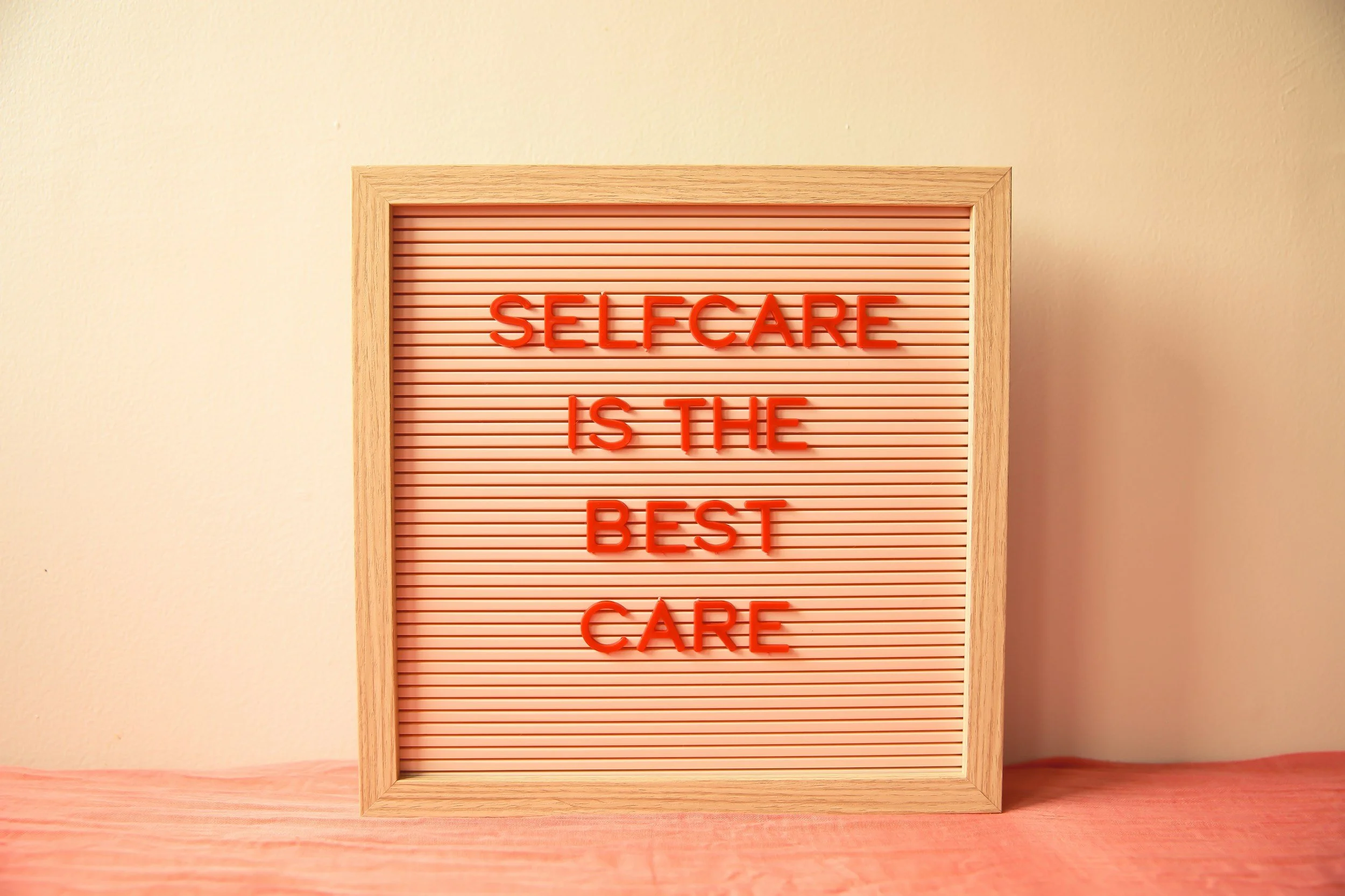
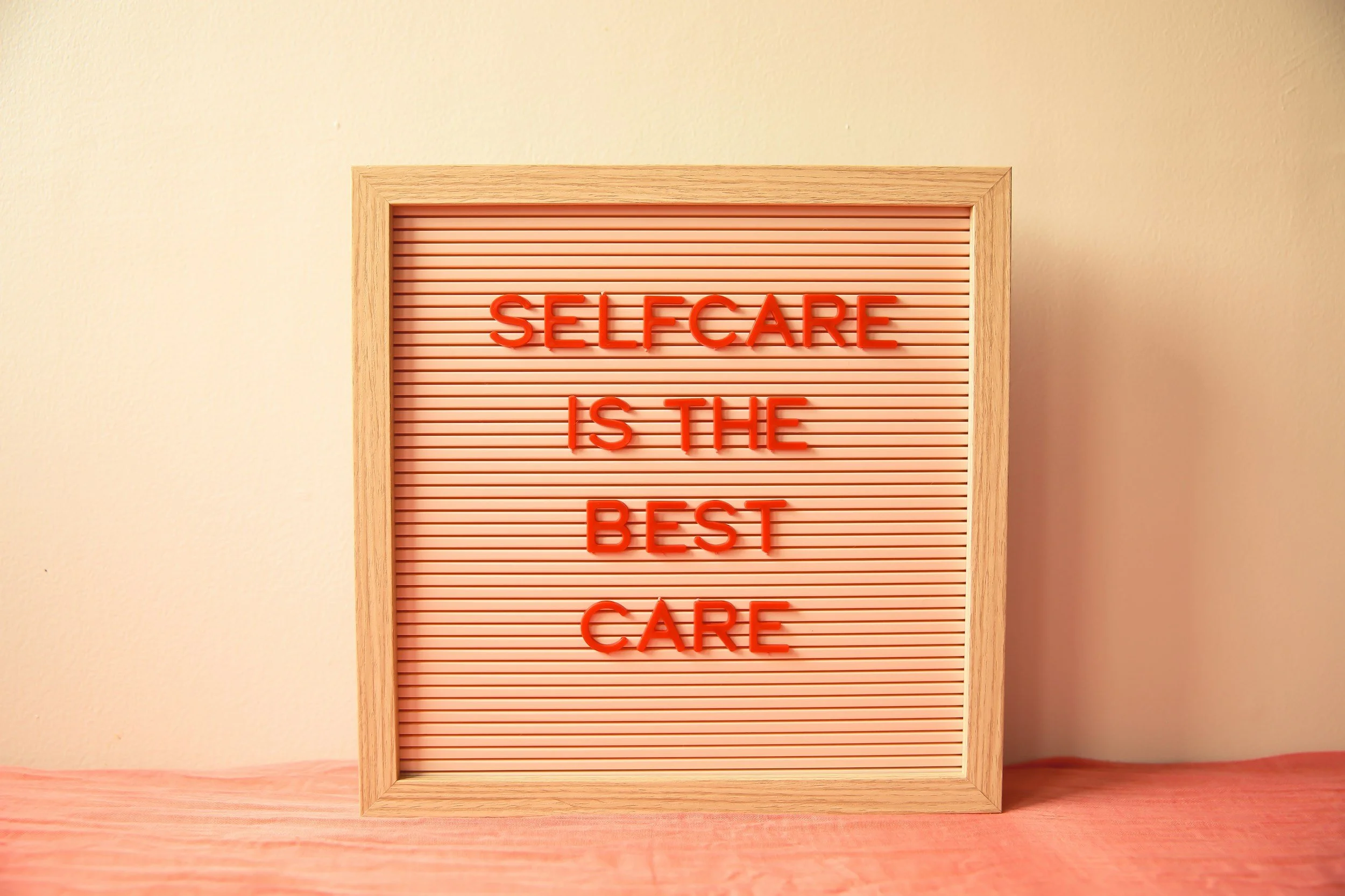
Some people have a habit of treating themselves incredibly harshly. They focus on others' needs and forget about themselves completely. When the little voice inside their heads tells them to take it easier, they ignore it. And if you have read this blog for any amount of time, you’ll remember the saying, “If you don’t take care of yourself, then how can you be up for helping take care of others?!”
Let’s get something straight: practicing acts of self-care isn’t being a selfish person. Self-care doesn’t mean overindulgence; it means taking care of yourself so you have the mental, emotional, and physical health to care for others. It is one of the best ways to serve other people. If you’re looking after yourself, you have more physical and emotional bandwidth to support others' needs. Moreover, self-care is a way to improve your health for your own sake. You can perform better in your relationships and at work if you feel good most of the time.
https://www.pexels.com/photo/scrabble-letters-motivational-text-6005269/
What Is Self-Care?
At its core, self-care is a range of practices that help people better manage daily stressors. It involved using techniques to make it easier to cope with life's challenges. That’s actually a pretty broad definition when you think about it. Self-care could include taking a break from work for an entire weekend, eating healthy food, or getting a massage. It can also include changing the way you think to be kinder to yourself.
What Types Of Self-Care Are There?
There are several types of self-care. But, as a general rule of thumb, self-care is anything that puts a smile on your face that doesn’t harm you or others at the same time. Medical professionals like to group self-care into three categories. The first is emotional self-care. The idea here is to do kind things for yourself from time to time. For instance, you might have a bubble bath or give yourself a five-minute break on a hectic day. You could also meet up with a friend for a coffee or go for a cycle ride. All of these activities have the potential to make you feel great. The next is physical self-care. This could include prioritizing sleep or going to the gym. Also, you may want to consider spiritual self-care. Meditation, journaling, or all of the above can make a difference. You can also do things like being kind to people at random or spending some time alone in the mountains, enjoying the solitude.
What’s The Difference Between Temporary And Enduring Self-Care?
Temporary self-care is something that lasts a short time but then eventually goes away. Enduring self-care, by contrast, lasts a lot longer and has permanent effects. For instance, going to the bowling alley with friends is a good example of temporary self-care.
Here you can enjoy some fun and build social connections with friends and family. Enduring self-care involves doing something that has long-term effects. For instance, regularly practicing mindfulness eventually changes the way your brain works. The more you improve emotional self-regulation, the better you’ll feel long-term. Getting support for addiction is another good example. If done correctly, the effects of rehabilitation should last a lifetime.
How Self-Care Enhances Wellbeing
Today, there is compelling evidence that practicing self-care can improve a person’s overall health. People who look after themselves tend to live longer and get fewer diseases. The reasons for this effect aren’t entirely clear. However, research shows that practices like yoga and an enlightened attitude to life can significantly support longevity. People who care for themselves also avoid behaviors that contribute to disease, such as drinking and smoking. They focus on following a healthy exercise plan. And they ask themselves deep questions about who they are and what they can do to serve their needs. Self-care isn’t just a method. It’s also a purpose. People who take care of themselves find something worthwhile to commit themselves to in life and stick with it. They find some purpose or reason for being and then pursue that with everything they have. That approach appears to significantly reduce mortality risk.
According to science, getting outside is critical. People who spend more time outdoors have lower mortality and better health outcomes than those who don’t. The good news is that starting a self-care routine is easy. Choose activities that you know will bring you enduring joy and start small. Then build them into your life, taking time to really feel the effects of self-care. Then, after a few months, reflect on how you feel and ask if your approach is working.
It might be true that you need a little more help than you are able to give to yourself. For example, if you’re someone who has fallen off the right path and ended up addicted to substances for example, then getting help at an Outpatient Drug & Alcohol Detox Center might be the best move for you. Allowing someone to help you help yourself is not a bad thing.