
Functional living allows you to manage your daily activities better and maintain independence. But if you've had a mental health struggle or physical illness, how can you get back to a place where you can take control of your life again?
The answer is to do it through small and consistent steps combined with self-compassion. You need to be gentle with yourself. Here's what you could do be:
Seek professional support. You could go to a physio or seek a counsellor for CBT. You could even get medication if you need. Starting the healing process early means a higher chance of a positive outcome and a lower likelihood of setbacks.
Rebuild basic daily routines
The next step is to rebuild some of your basic daily routines. If you can get into a habit of eating, sleeping, and engaging in personal hygiene at the same time every day, then you're putting yourself on the right foot. For example, you can start by showering in the morning, preparing simple meals, exercising, and setting a bedtime.
Sticking to a rhythm during a recovery phase is often essential. It gives you targets you can work towards. You can reclaim your health over several weeks or months. Also, it's important psychologically because it gives you a sense of control. Once you start taking charge of your health, you have a sense of momentum that you can then build on in the future.
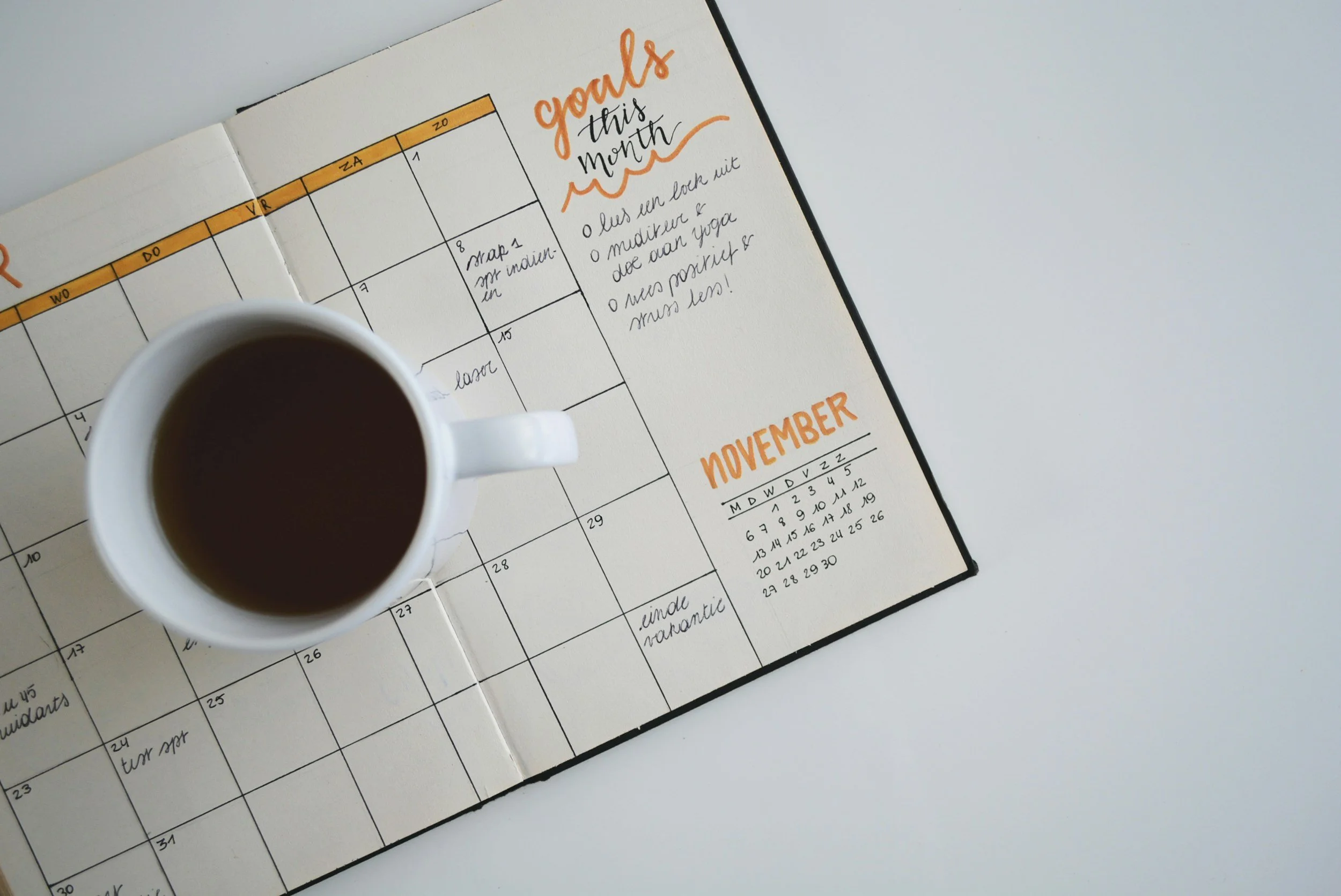
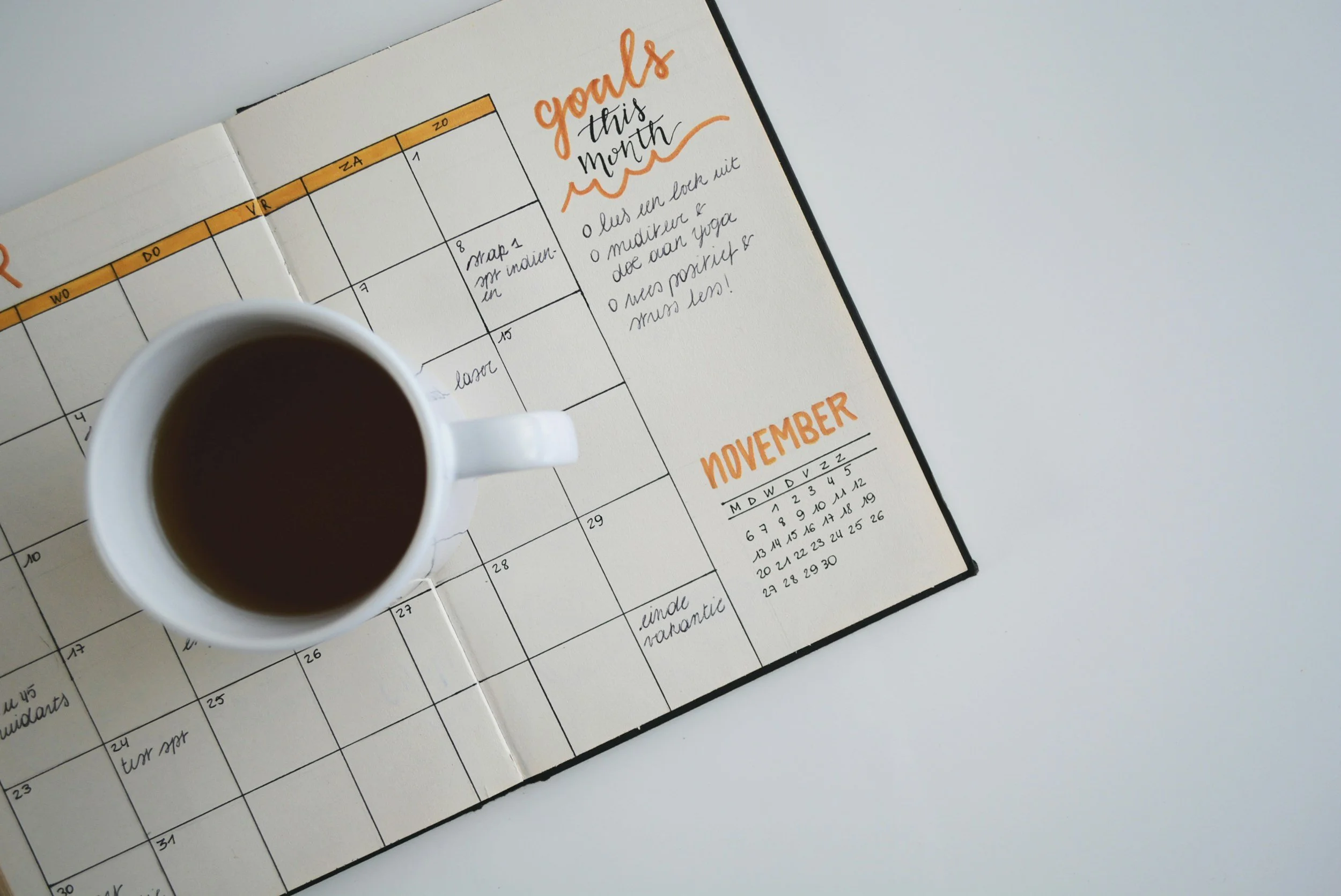
Establish a structured routine
Once you have your daily routine, the next step is to establish a structured routine. Many people work with a loose schedule, but you ideally want to give yourself flexibility.
For example, you could wake up consistently, prepare light meals and activities, and then give yourself downtime. You don't have to do the same thing every day, although this is helpful at the beginning of the process. It can be useful to dedicate significant time to thinking about how you're using different parts of the day. Once you have a structure in place, then you can better support your mental health and reduce feelings of overwhelm.
Put your physical health first
Another thing that's worth doing is putting your physical health first. If you can move daily, walk, stretch, and do functional exercises, then you can put yourself in a better position to recover. Most people aim for about 30 minutes a day, working up to an hour overall eventually. You'll discover that once you start exercising, it releases positive endorphins. If you combine this with it by eating nourishing food, then you can get even more benefits. Choosing balanced meals is one of the best ways to protect your overall health, so focus on whole grains, proteins, and vegetables.
Add emotional self-care
Adding emotional self-care is something that many people forget. If you can engage in journaling, meditation, and mindfulness, then you put yourself in a much better position than 99% of people recovering from mental and physical injuries. Emotional self-care means focusing on your limitations and what you can reasonably expect of yourself. It also involves reflecting honestly on your life experiences and how they've shaped you.
Positives and gratitude with that can help enormously. You can address things like barriers. You can address conventional barriers like perfectionism and isolation. For example, if you're by yourself, it can be much more challenging to recover compared to being in a social group of people who like you.
Small goals on the way
Speed up the process and get back to functional health. These don't have to be lofty objectives, they can just be simple things like making the bed. Once you start celebrating these wins, you'll discover that momentum often builds on itself. You find that you're no longer stuck feeling like you can't do anything, and you get a sense that you have some real, genuine agency.
You can also include goals as part of your work life or hobbies. Again, this gives you something to aim towards and provides a milestone on your road back to health.
Incorporate enjoyable activities
Last, and perhaps most importantly, you might want to incorporate some natural activities and enjoyable activities. These could include creative outlets and nature time. These should bring you a sense of joy beyond mere functioning. You should want to do them, and they should be edifying as part of your life.